Nepenthes-journey
WELCOME, EXPLORER!
Nepenthes
The Pitcher Hunter

Welcome to the world of Nepenthes — the tropical pitcher plant. Its hanging pitchers are more than beautiful decorations. They are extraordinary natural traps, designed to catch tiny creatures in the rainforest. Let's discover the secrets behind these fascinating living pitchers.
DISCOVER · CARE · GROW · SHARE
01 / DISCOVER
Discover Its Natural Habitat
YOUR NEPENTHES NATURAL HABITAT IMAGE
Tropical Rainforests & Mountain Slopes
From warm lowland forests to cool mountain habitats
Nepenthes grow across tropical regions of Southeast Asia and other parts of the world. Many live in humid forests, where they climb through vegetation or grow among mossy slopes and mountain landscapes.
Meet the genus: Nepenthes — a remarkable group of carnivorous plants famous for their hanging pitcher traps.
02 / EXPLORE
Explore Its Natural Environment
YOUR NEPENTHES PITCHER DETAIL IMAGE
- Attract: Nectar and colorful pitcher rims attract insects and other small creatures.
- Slip: The smooth rim and inner surface make it difficult for prey to escape.
- Trap: Small creatures fall into the liquid inside the pitcher.
- Digest: Natural enzymes and other processes help break down prey and release nutrients.
A Nepenthes pitcher is actually a modified leaf. Its lid, rim, and slippery inner walls work together to create one of nature's most fascinating traps.
03 / CARE
Survival Tips for Your Desktop
Use Pure Water
Use distilled, reverse-osmosis, or clean rainwater. Avoid mineral-rich tap water.
Choose the Right Growing Medium
Use airy, nutrient-poor growing media such as long-fiber sphagnum moss. Avoid ordinary fertilized potting soil.
Give It Bright Light
Provide bright grow light suitable for your Nepenthes. Avoid sudden exposure to intense direct sunlight.
Keep the Roots Moist
Keep the growing medium evenly moist, but avoid leaving the roots sitting in stagnant water for long periods.
Maintain Suitable Humidity
Stable humidity helps many Nepenthes develop new pitchers. Good air circulation is also important.
Let the Pitchers Work
Feeding is optional. Your plant can catch small insects naturally. Never put meat or large food items into its pitchers.
Choose the right variety: Lowland Nepenthes generally prefer warm conditions, while highland species need cooler temperatures, especially at night. Choose a compact, warm-growing variety suited to your desktop environment. Large or demanding species such as N. truncata are not the intended choice for this setup.
04 / DAY 0
Capture Your Starting Point
Your next mission starts today. Take a clear photo of your newly planted Nepenthes. Look closely at its leaves, tendrils, and pitchers. This is the beginning of your pitcher plant adventure.
YOUR NEPENTHES DAY 0 IMAGE
- Photograph your whole plant and planter in good light.
- Save the photo with today's date.
- Take a closer look at its existing pitchers and leaves.
- Choose an angle you can repeat for your next photo.
- Share your starting point with #nepenthesjourney.
A new plant. A new challenge. Let the adventure begin!
05 / DAY 15
Look Back. Spot the Changes.
Fifteen days later, take another photo from the same angle. Look for new leaves, developing tendrils, or changes in your pitchers. Even a small sign of new growth is worth celebrating.
YOUR NEPENTHES GROWTH IMAGE
- Take your second photo in similar light and from the same angle.
- Compare it with your Day 0 photo.
- Look for new leaves, tendrils, or developing pitchers.
- Add the Nepenthes badge from your LeGrow sticker sheet to your planter.
- Share your progress with #nepenthesjourney.
Fourth challenge complete!
Don't worry if a new pitcher has not appeared yet. Pitcher development can take longer than 15 days. Learning to observe is part of becoming a great grower.
YOUR NEXT ADVENTURE
Beyond the Pitcher
YOUR NEXT CARNIVOROUS PLANT IMAGE
The Next Botanical Challenge
Your journey has taken you through four fascinating carnivorous plant groups. But there are still more extraordinary hunters to discover.
Explore Heliamphora, the elegant sun pitcher, and Cephalotus, the fascinating Australian pitcher plant. Two very different hunters, each with its own unique world.
Keep growing. Keep exploring.
Your journey has only just begun.
LeGrow · Grow, Explore & Discover
Your journey has only just begun.
DIY
-
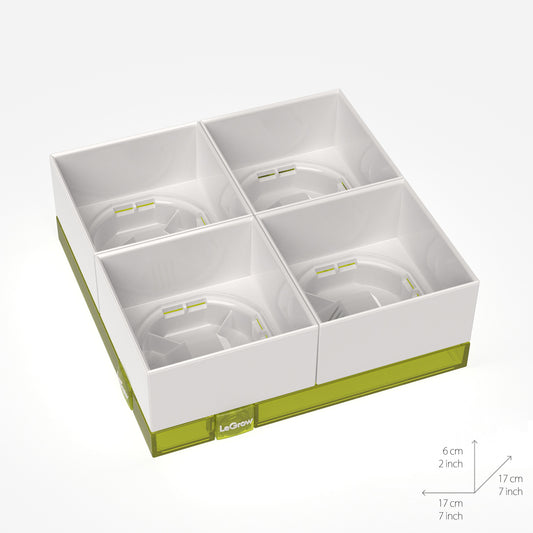
Moss Pot with Tray, 7 Days Watering Free | LeGrow - WM
Regular price $29.95Regular priceUnit price per -
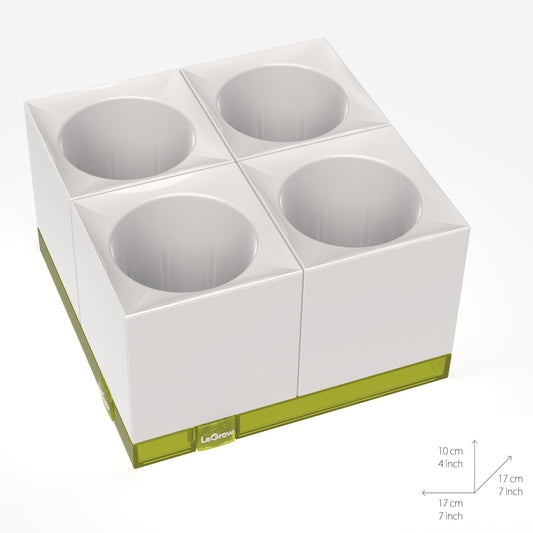
LeGrow Standard Planter with Self-watering System 7 Days Watering Free
Regular price $34.95Regular priceUnit price per -
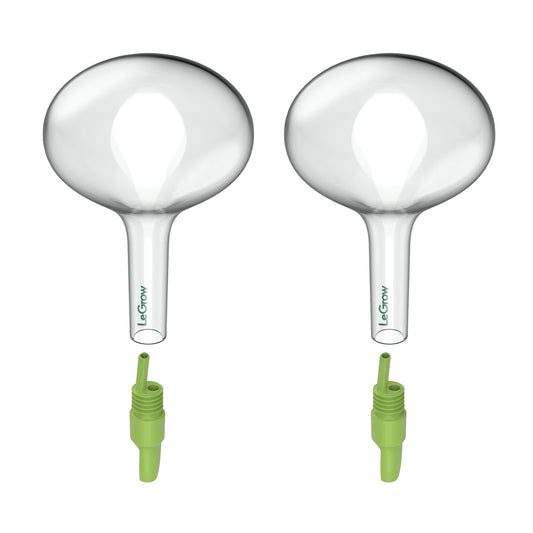
LeGrow Mini Glass Watering Can with Reservoir - Perfect Sprinkler for Watering Flowers and Plants
Regular price $24.00Regular priceUnit price per -
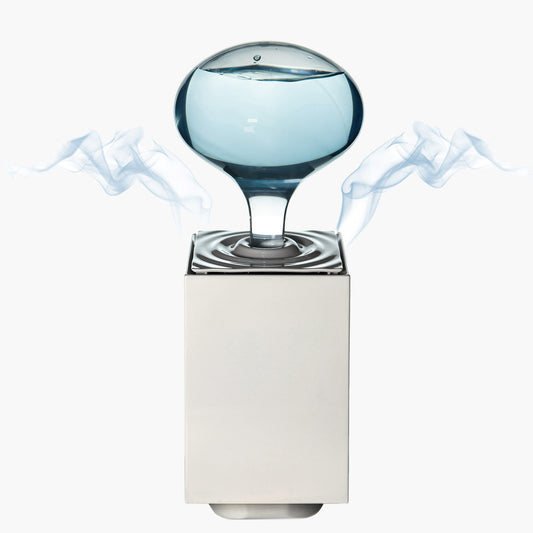
LeGrow Plant Humidifier | Auto Humidity for Healthier Indoor Plants
Regular price From $39.95Regular priceUnit price per$44.95Sale price From $39.95Sale -
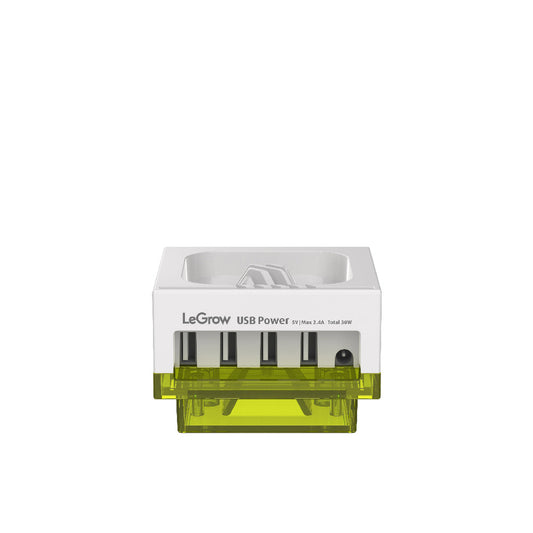
LeGrow Safe Power Supply with 4-port USB, Global Adapter Plug
Regular price $34.95Regular priceUnit price per -
LeGrow Connectors for Pot Stacking,6 Count
Regular price $16.00Regular priceUnit price per -
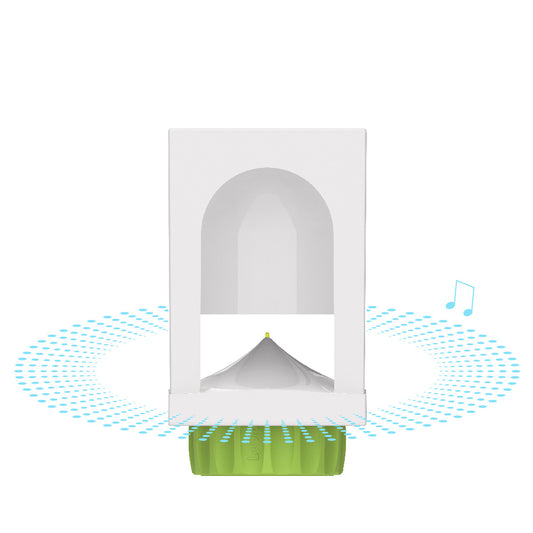
LeGrow Speaker 360 Degree Bluetooth without Battery
Regular price $37.46Regular priceUnit price per$49.95Sale price $37.46Sale -
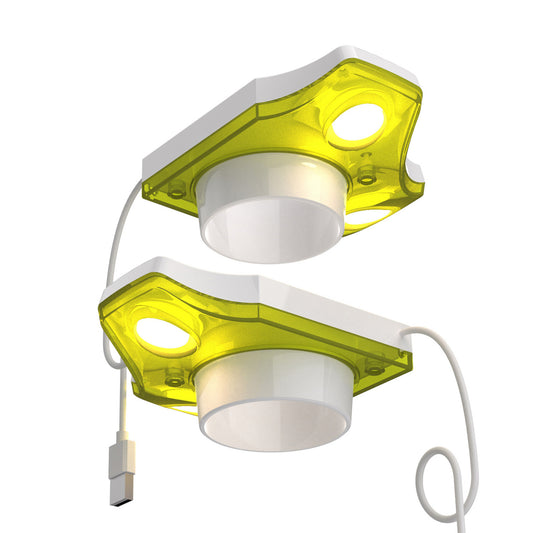
LeGrow Grow Light with Automatically Timer for Indoor Gardening, 2 Count
Regular price $39.95Regular priceUnit price per